Home > Car Selling Guides > How Scrap Car Prices Are Calculated
How Scrap Car Prices Are Calculated
A practical UK guide to scrap car valuation, metal weight, parts value, catalytic converters and collection costs.
How scrap car prices are calculated depends on more than metal weight. This guide explains what affects a scrap car offer so owners can understand why two vehicles can receive very different prices.
- Understand weight, parts demand and vehicle completeness
- Learn why catalytic converters, wheels and engines matter
- Use Salvargo routes for scrap, damaged and non-running vehicles
Table Of Contents
How Scrap Car Prices Are Calculated
How scrap car prices are calculated starts with the vehicle itself. Scrap value can include metal weight, reusable parts, catalytic converter value, wheels, battery, engine, gearbox, body panels, current demand and the cost of collecting the car.
Many owners assume a scrap car has one fixed price. In reality, two vehicles with similar damage can be valued differently because one is complete, popular for parts and easy to collect, while the other is missing key components, blocked in or worth mainly as metal.
If you are asking how scrap car prices are calculated, think about three simple questions: what usable value remains in the vehicle, what it will cost to collect and process, and how strong the demand is for that make, model and parts.
Vehicle Weight And Scrap Metal Value
How scrap car prices are calculated often begins with weight because heavier vehicles may contain more recyclable metal. A large 4x4, van or executive saloon can weigh more than a small hatchback, so the base material value may be higher.
Weight is only part of the picture. A stripped heavy vehicle can be worth less than expected if the engine, gearbox, wheels, catalytic converter or battery have been removed. A smaller car can sometimes attract a stronger offer if it is complete, popular and has useful parts demand.
The answer to how scrap car prices are calculated is not simply pounds per tonne. Vehicle weight matters, but completeness, parts, recovery costs and market demand all influence the final offer. Salvargo looks at the vehicle as a whole, not just a generic metal figure.
Useful pages include Sell My Scrap Car, Scrap Car Collection, Scrap Car Buyers and Scrap My Car Essex.
Reusable Parts And Salvage Demand
How scrap car prices are calculated also depends on parts value. Even if a vehicle is not roadworthy, it may have usable panels, doors, lights, bumpers, wheels, seats, infotainment units, engines, gearboxes, control modules or interior trim.
Popular vehicles often have stronger parts demand. A damaged BMW, Audi, Mercedes, Volkswagen, Ford, Toyota, Nissan or Vauxhall may be worth more than a simple scrap metal calculation suggests.
Parts value is why the question how scrap car prices are calculated can overlap with damaged car valuation. If a vehicle is complete, desirable and has undamaged parts, it may be better described as salvage rather than basic scrap.
Value My Scrap Car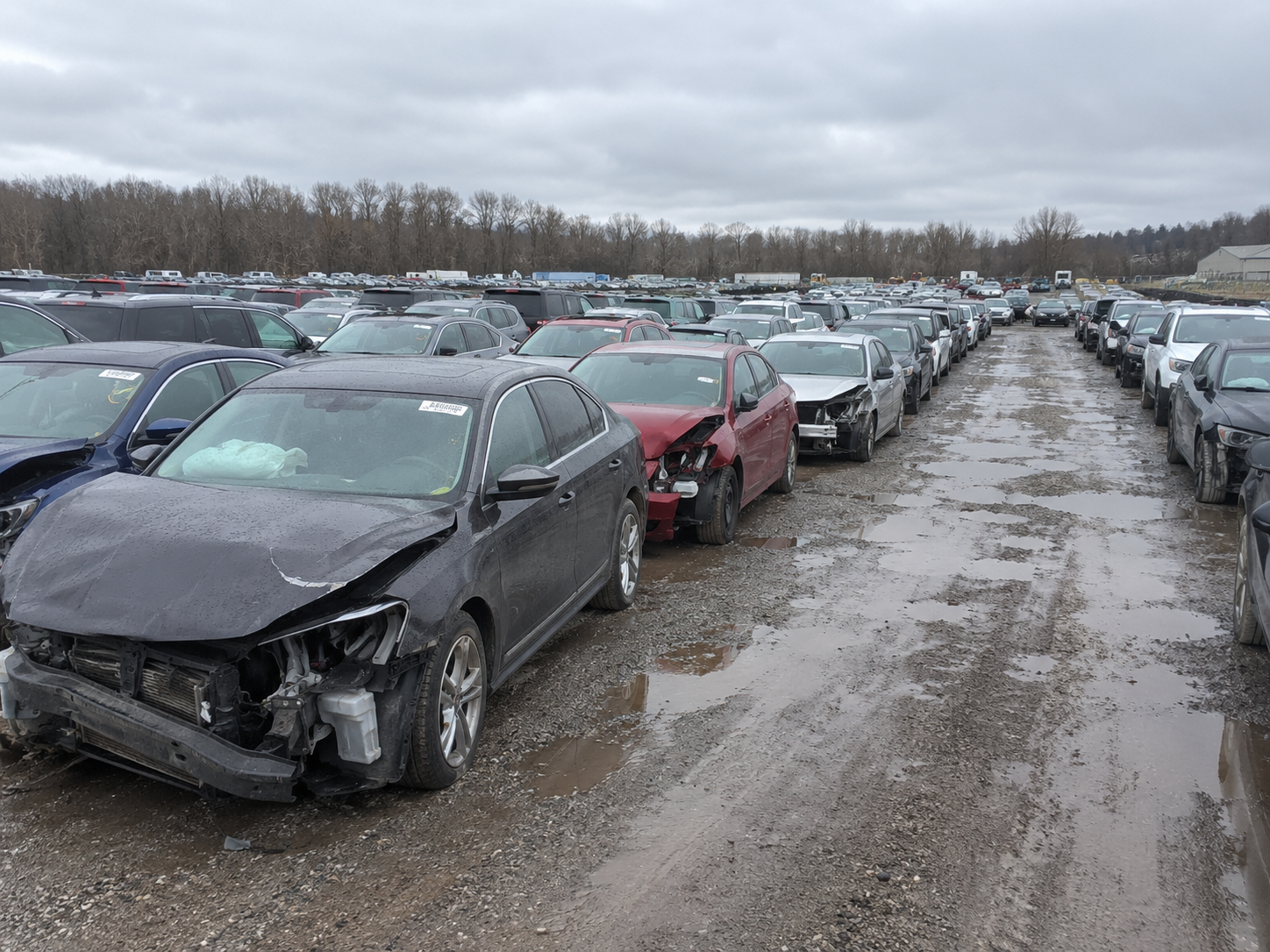
Catalytic Converters, Batteries And Key Components
How scrap car prices are calculated can be affected by key components. Catalytic converters may contain valuable metals, so the type and presence of the converter can affect the offer. Hybrid and electric vehicles may also involve batteries or specialist components, although handling them requires proper care.
Missing key components usually reduce value. If a car has no catalytic converter, no battery, no engine, no gearbox, missing wheels or major parts removed, the valuation will usually change. It can also affect collection because a car without wheels or suspension may require different recovery equipment.
The fair way to approach how scrap car prices are calculated is to describe missing parts before collection. That avoids surprises and helps the buyer quote correctly. A complete car is often easier to collect, process and value.
For guides on connected issues, see How To Scrap A Car, How Much Is My Damaged Car Worth? and Can I Sell A Non Runner?.
Condition, Access And Collection Costs
How scrap car prices are calculated also includes practical collection factors. A car parked on a driveway with wheels, keys and easy access is different from a car with no wheels, flat tyres, no keys, seized brakes or difficult access in a locked compound.
Collection can affect the final offer because recovery takes time, equipment and planning. Tell the buyer if the vehicle rolls, steers, has keys, is blocked in, is in a garage, is in a multi-storey car park or needs specialist recovery. This is especially important for accident damaged, fire damaged, flood damaged and non-running cars.
Condition pages that help explain value include Sell My Non Runner Car, Sell My MOT Failure Car, Sell My Engine Failure Car, Sell My Gearbox Fault Car, Sell My Flood Damaged Car and Sell My Fire Damaged Car.
When owners ask how scrap car prices are calculated, access is easy to overlook. A better condition description usually leads to a smoother collection and a clearer offer.
Simple Scrap Car Valuation Process
The clearest answer to how scrap car prices are calculated is to look at the vehicle, its parts, its location and its paperwork together.
1. Enter Registration
The registration identifies the make, model, age, fuel type and basic vehicle details.
2. Add Condition
Explain if the vehicle is complete, missing parts, damaged, non-running or written off.
3. Check Components
Catalytic converter, battery, wheels, engine and gearbox can affect value.
4. Confirm Access
Say where the car is and whether it rolls, steers, has keys and can be recovered.
5. Review Offer
Compare the offer with repair, storage, collection and private sale hassle.
6. Arrange Collection
Salvargo can arrange collection and same-day payment where the sale is agreed.
ATFs, DVLA And Legal Scrapping Routes
How scrap car prices are calculated should not ignore the legal route. GOV.UK explains that end-of-life vehicles should be scrapped at an authorised treatment facility, often called an ATF. GOV.UK also provides a vehicle scrapyard finder for England and links to ATF lists for Scotland, Wales and Northern Ireland.
If you scrap a vehicle, DVLA notification matters. GOV.UK guidance explains that the V5C log book and keeper steps should be handled properly, and that you can be fined if DVLA is not told when required. If you want to keep a private plate, handle that before scrapping.
Understanding how scrap car prices are calculated is useful, but the route matters too. A legitimate buyer, clear paperwork and proper disposal help protect you after the vehicle leaves your possession.
Helpful Salvargo Routes
Use these pages if your scrap vehicle has another value factor, fault or selling route.
Scrap Price Quick Reminder
How scrap car prices are calculated depends on weight, completeness, parts value, catalytic converter, demand, collection and paperwork.
How scrap car prices are calculated can change if the vehicle has missing parts, no wheels, no keys or difficult access.
How scrap car prices are calculated is not the same for every make and model because parts demand varies.
How scrap car prices are calculated should include whether the car is actually scrap, salvage, damaged, non-running or repairable.
How scrap car prices are calculated is easiest to check by entering the registration and describing the vehicle honestly.
External Resources
Use these official resources alongside this guide when checking ATFs, scrapping rules, DVLA transfer steps and vehicle documents.
Frequently Asked Questions
These answers cover how scrap car prices are calculated, weight, missing parts, catalytic converters, collection and Salvargo valuations.
How are scrap car prices calculated?
Scrap car prices are calculated using vehicle weight, completeness, parts demand, catalytic converter value, age, make, model, location, collection costs and the current demand for recyclable materials.
Does vehicle weight affect scrap value?
Yes. Heavier vehicles can contain more recyclable material, but weight is only one part of the price because parts value and missing components also matter.
Does the catalytic converter affect value?
It can. Some catalytic converters contain valuable metals, so the presence, type and condition of the converter can affect the offer.
Do missing parts reduce scrap price?
Yes. Missing wheels, engine, gearbox, catalytic converter, battery, body panels or interior parts can reduce value and may affect collection.
Can a scrap car be worth more than scrap metal?
Yes. A complete vehicle from a popular make may have parts, salvage or repair value above basic scrap metal value.
Do scrap prices change?
Yes. Scrap and salvage values can move with metal demand, parts demand, season, location and the vehicle itself.
Does collection reduce the price?
Collection cost can affect the final offer, especially if the vehicle is hard to access, has no wheels, is blocked in or needs specialist recovery.
Is a non-runner valued as scrap?
Not always. Some non-runners are worth more as salvage or repairable vehicles, depending on the fault, model and demand.
Is an MOT failure just scrap?
Not always. Some MOT failure vehicles are repairable or have strong parts value, while others are best sold for scrap or salvage.
Can Salvargo value my scrap car online?
Yes. Salvargo can start with the registration and vehicle condition to provide a fast valuation route for scrap, damaged, unwanted and non-running vehicles.
Do I need a V5C for a scrap valuation?
A V5C helps with vehicle identification and DVLA records. If it is missing, check official GOV.UK guidance before selling or scrapping.
Do fire or flood damaged cars have scrap value?
Yes. Fire and flood damaged cars may still have salvage, parts or scrap value, depending on severity and usable components.
Ready To Value A Scrap Car?
If you searched how scrap car prices are calculated because your vehicle is damaged, unwanted, non-running or at the end of its useful life, Salvargo can help you get a clear valuation route. Enter the registration, explain the condition and confirm collection access.
This guide is general information, not legal or financial advice. Always check official GOV.UK and DVLA guidance where vehicle disposal, ATF, V5C or transfer rules apply.